Meet The Zombie Cells Quietly Shaping How You Age
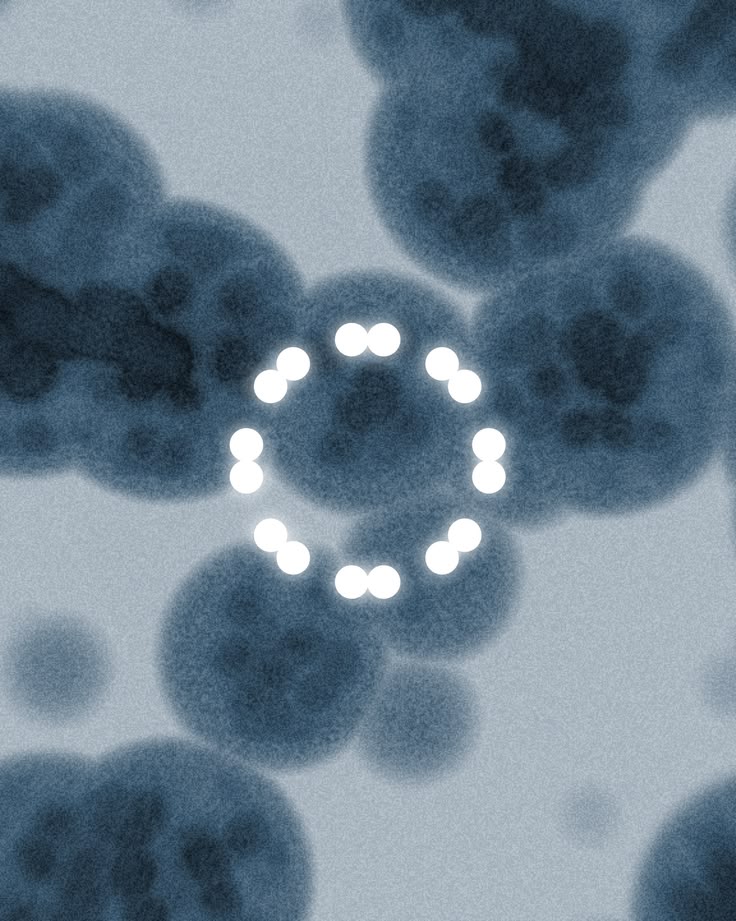
Somewhere in your body right now, there are cells that should have died a while ago. They haven't. They're not functioning properly, they're not doing their job, and yet they're still there, refusing to leave. Scientists have a name for them that sounds more like a horror film than a biology textbook: zombie cells.
So What Exactly Is A Zombie Cell?
The proper term is cellular senescence, and the concept behind it is stranger than it sounds. As we age, some cells become damaged and stop dividing, which is normally the first step toward being cleared out and replaced. Senescent cells skip that step. Instead of dying off, they stick around, releasing inflammatory molecules that can affect the healthy cells nearby. They're not dead. They're not really alive either, at least not in any useful sense. They're just there, quietly causing low level disruption to everything around them.
A Few Zombies Are Fine. A Growing Crowd Isn't.
Here's the part that matters: having some senescent cells is completely normal. It happens to everyone, and in small numbers, it's not a problem. The issue is accumulation. As senescent cells build up over the years, they can contribute to chronic, low grade inflammation, a process researchers have started calling "inflammaging", a slow-burn combination of inflammation and ageing that doesn't announce itself the way an injury or illness would. It just quietly persists in the background, and it's been linked to a long list of age-related changes throughout the body.
The Reach Is Bigger Than Most People Assume
It's tempting to file this under "interesting biology, doesn't really affect me." The research suggests otherwise. Cellular senescence has been linked to reduced energy production, slower tissue repair, declining muscle function, changes in skin health, and a higher risk of age-related disease. That's a wide net for something most people have never heard of, which is exactly why it's considered one of the core biological hallmarks of ageing rather than a minor footnote.
The One Piece Of Genuinely Good News
Ageing itself isn't optional. How quickly senescent cells accumulate, though, appears to be influenced by something much more familiar: your everyday habits. Regular exercise, quality sleep, a nutrient rich diet, and managing chronic stress have all been associated with healthier cellular function over time. None of these are dramatic interventions. They're the same habits that show up in nearly every conversation about healthy ageing, which says less about a lack of imagination in the research and more about how much these fundamentals genuinely matter at a cellular level.
This is the exact territory Inora is built for: supporting the biological processes happening beneath the surface, long before anything becomes visible. Marathon Not A Sprint, INORA's liquid cellular support formula, was designed around this same idea, supporting the cellular systems involved in repair and resilience as part of a daily routine, rather than reacting once the effects of accumulated cellular stress are already showing.
The Takeaway
Zombie cells aren't a fringe curiosity. They're one of the quiet, foundational reasons bodies age the way they do, accumulating slowly in the background until their combined effect becomes hard to ignore. The encouraging part is that the pace of that accumulation isn't entirely out of your hands. Sleep, movement, nutrition and stress management all appear to play a role, and small, consistent habits compound in exactly the way you'd want them to over the years ahead.
References: López-Otín C, et al. The Hallmarks of Aging. Cell. 2013. López-Otín C, et al. Hallmarks of Aging: An Expanding Universe. Cell. 2023. Campisi J. Cellular Senescence: Putting the Paradoxes in Perspective. Current Opinion in Genetics & Development. 2011. Kirkland JL, Tchkonia T. Cellular Senescence: A Translational Perspective. EBioMedicine. 2017. American Federation for Aging Research. Cellular Senescence Overview.