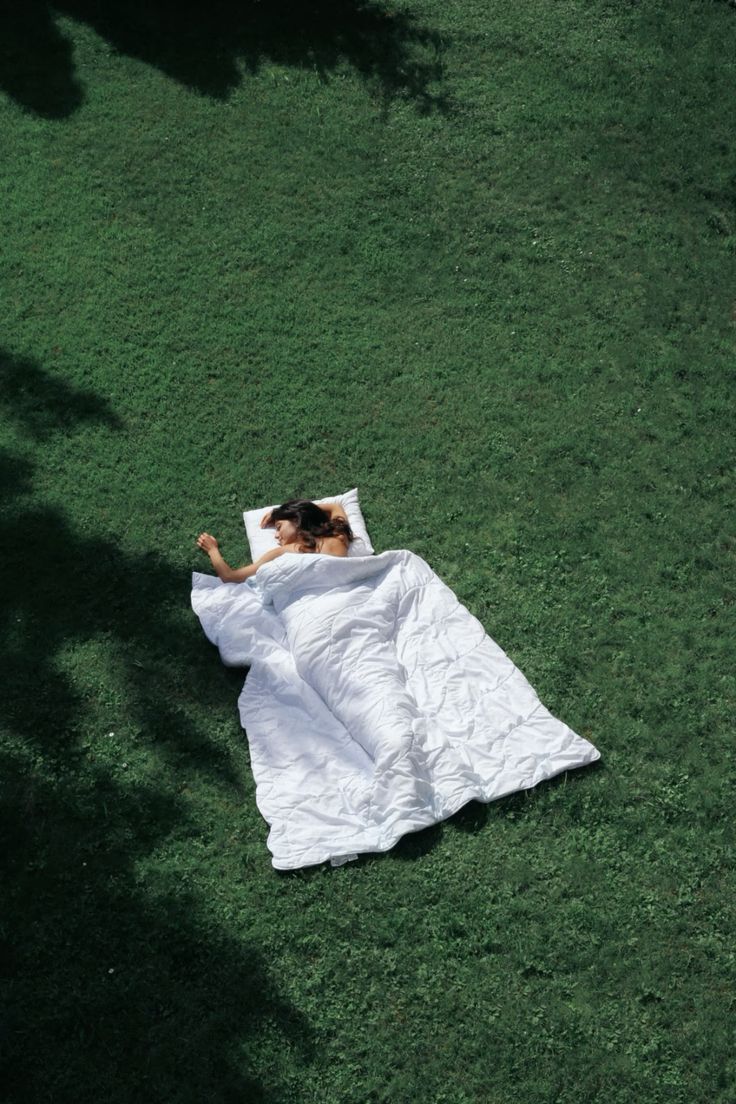
Article: Why Do I Sleep Worse in Winter? Your Body Wants a Longer Night
Why Do I Sleep Worse in Winter? Your Body Wants a Longer Night
Winter can make us feel as though we haven't slept even when we have. You’re not imagining it, and you’re not lazy; winter truly changes sleep, and our alarm clocks have not noticed.
Your body clock keeps seasonal time
Researcher Thomas Wehr experimented with moving volunteers from a conventional 16-hour day to a short 10-hour photoperiod, meaning 14 hours of darkness. Their sleep expanded and usually divided into two bouts of several hours, with a waking interval of one to three hours between them. [1] The duration of nightly melatonin secretion and of the phase of rising sleepiness also expanded. The body, in other words, took the long night seriously. zhenzhinih
It was a small lab study, and field data tell a slightly different story. When researchers fitted watches to people in three pre-industrial societies, they found nearly an hour’s difference between summer and winter sleep. [2] Specifically, the Tsimané slept 56 minutes longer in winter, and the San 53 minutes longer. There was no sign of long mid-night waking in that data, but there was a clear sign that winter means more sleep. The sleep period consistently occurred during the nightly fall in temperature, which is a clue we’ll come back to. natural sleep and its seasonal variations three pre industrial societies +2
What it looks like in modern winter
A 2023 study from Berlin analysed sleep recordings from patients at a sleep clinic and found REM sleep was about 30 minutes longer in winter than in spring, and slow-wave sleep was 30 to 50 minutes shorter in autumn. [3] Total sleep time was up to 60 minutes longer in winter than in summer, though that difference wasn’t statistically significant. It’s worth noting this was a retrospective study of people already being assessed for sleep problems. But insomnia was also more commonly diagnosed towards the end of the year. BRIEF RESEARCH REPORT article +2
Wearable data point the same way. In a year-long study of 216 people, seasonal effects on sleep were small but statistically significant, strongest for wake time and sleep duration, with sleep shorter in spring than in the winter reference season. [4] doaj
So “worse” often more specifically mean that your body may be asking for more sleep and a different mix of it while your day still demands the same hours.
Three things that make winter nights harder
Light is lopsided. Mornings are dark, and evenings are lit. Ordinary room light before bed has been shown to suppress melatonin compared with dim light, [5] so winter’s early darkness is an invitation to swap overheads for lamps.
We overheat the bedroom. That pre-industrial sleep happened as temperatures fell. Our central heating does the opposite. Heat exposure increases wakefulness and reduces deep and REM sleep, while cold with bedding doesn’t change sleep stages. [6] A cooler room with warmer layers is closer to what the research favours.
Mood and sleep travel together. Seasonal affective disorder includes lengthened sleep during winter.
A different way to look at winter
Here is where we’d add something of our own. Researcher Kari Leibowitz surveyed Norwegians at three latitudes, from Oslo to Tromsø to Svalbard, and found that a positive wintertime mindset was associated with every measure of well-being they looked at. [7] It was a correlational survey of 238 people, and it doesn’t address clinical seasonal depression, which can’t be talked away by changing your mindset. But the idea is a good one for sleep. Early darkness can be treated as a chance to light candles and get cosy earlier, which might help you get to bed earlier. goodmenproject.com +2
That is what an evening ritual is for. If your body wants a longer night, the most natural response is a slower, softer evening that leads into it.
Where Was It All A Dream? fits
Was It All A Dream? is our evening formula, built for exactly this kind of ritual. It combines valerian root, Montmorency cherry and passionflower in a liquid with peppermint and sweet fennel, to be taken as part of a calm, unhurried evening.
REM is the stage that naturally lengthens in winter, and it’s one we measured. In our clinical trial, REM sleep increased by 21%, and after just 4 weeks 88% said they fell asleep faster and 90% reported more restorative sleep.*
Was It All A Dream? works with the foundations: a cool room, dimmer evening light and a bedtime that respects the season.
*In male and female participants aged 21 to 65 in a medically supervised study conducted for INORA in 2025.
References
- Wehr TA. In short photoperiods, human sleep is biphasic. J Sleep Res. 1992;1(2):103-107. doi:10.1111/j.1365-2869.1992.tb00019.x
- Yetish G, Kaplan H, Gurven M, et al. Natural sleep and its seasonal variations in three pre-industrial societies. Curr Biol. 2015;25(21):2862-2868. doi:10.1016/j.cub.2015.09.046
- Seidler A, Weihrich KS, Bes F, de Zeeuw J, Kunz D. Seasonality of human sleep: polysomnographic data of a neuropsychiatric sleep clinic. Front Neurosci. 2023;17:1105233. doi:10.3389/fnins.2023.1105233
- Mattingly SM, et al. The effects of seasons and weather on sleep patterns measured through longitudinal multimodal sensing. npj Digit Med. 2021;4:76. doi:10.1038/s41746-021-00435-2
- Gooley JJ, et al. Exposure to room light before bedtime suppresses melatonin onset and shortens melatonin duration in humans. J Clin Endocrinol Metab. 2011
- Okamoto-Mizuno K, Mizuno K. Effects of thermal environment on sleep and circadian rhythm. J Physiol Anthropol. 2012;31:14. doi:10.1186/1880-6805-31-14
- Leibowitz K, Vittersø J. Wintertime mindset survey of Norwegians. Int J Wellbeing. 2020 (add title and details)